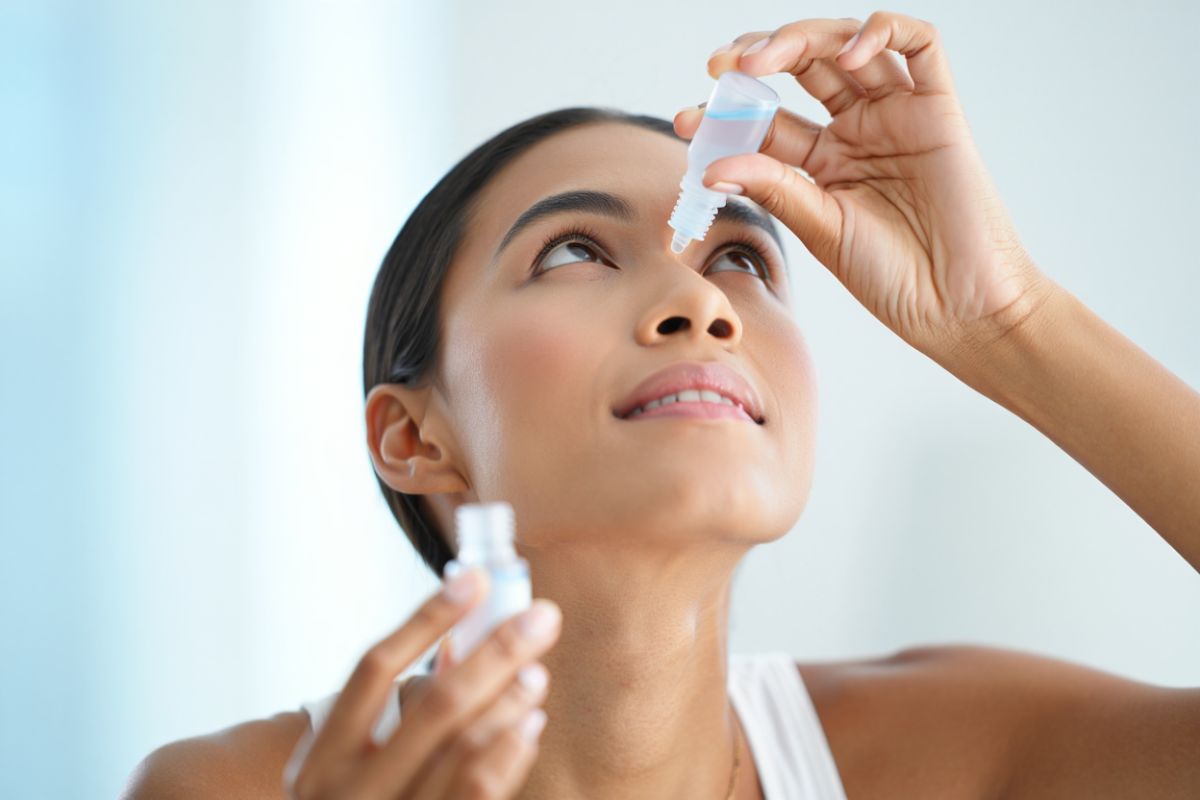
Best Eye Drops for Dry Eyes Relief
Dry eye syndrome affects millions worldwide – about 30 million Americans. Symptoms include burning, stinging, gritty or foreign-body sensations, redness and paradoxical tearing. Inadequate tear production and increased evaporation underlie these symptoms. Aging is a major factor: dry eye is especially common in older adults (affecting roughly 5–30% of seniors).
Other causes include medications (antihistamines, diuretics, etc.), contact lens wear, allergies, and extensive screen time. Proper eye drops (artificial tears) can quickly supplement the tear film, restoring moisture and comfort. The best eye drops for dry eyes will depend on your specific needs – whether you have irritation from computer use, contact lenses, post-surgery dryness, or allergy-related symptoms. This guide covers top recommendations, ingredients to look for, and usage tips.
Causes & Symptoms of Dry Eyes
Dry eyes occur when tears are insufficient or evaporate too quickly. Key factors include:
-
Aging: Tear production declines with age; dry eye is more prevalent in women (12–22%) and older adults.
-
Environment: Wind, air conditioning, dry climates and high-altitude reduce humidity and hasten tear evaporation.
-
Screen Use: Prolonged computer or smartphone use causes reduced blinking, significantly increasing tear evaporation.
-
Contacts & Lenses: Long-term contact lens wear can interfere with tear distribution, leading to irritation.
-
Allergies & Irritants: Pollen, pet dander or household chemicals can inflame eyes. Redness and itching from allergies are common in dry-eye sufferers.
-
Post-Surgery: Procedures like LASIK frequently cause temporary dry eyes – in fact, transient dryness is the most common side effect of LASIK.
Common symptoms include: burning or stinging, a gritty or sandy feeling, redness, light sensitivity, blurred vision, and sometimes watering (a reflex to irritation). If symptoms are mild, over-the-counter eye drops (artificial tears) often suffice. Mayo Clinic recommends using lubricating drops and specifically advises against vasoconstrictor “redness” drops, as they can worsen irritation over time.
Key Ingredients & Types of Dry Eye Drops
Effective dry-eye drops mimic natural tears or protect the ocular surface. Key ingredients to look for:
-
Hyaluronic Acid: A powerful lubricant that binds water to the eye surface for long-lasting moisture.
-
Glycerin: A natural tear component that attracts water; common in many formulations (e.g. Biotrue).
-
Carboxymethylcellulose or Propylene Glycol: Lubricants that increase tear viscosity (found in Refresh Tears, Systane, etc.).
-
Electrolytes: Some drops (TheraTears) include salts and electrolytes to rebalance tear chemistry, ideal for eye strain from screens.
-
Lipid/Oils: For tear evaporation issues, oil-based or ointment formulas (mineral oil, lanolin) help stabilize the lipid layer (e.g. Retaine MGD, Blink GelTears).
-
Demulcents & Antioxidants: Ingredients like povidone (polyvinyl alcohol), vitamin E, or botanical extracts can soothe and protect.
Drop formulations range from watery “artificial tears” (for mild to moderate dryness) to thicker gels and ointments (for severe or overnight relief). Many brands now offer preservative-free options or single-use vials, which are gentler for frequent use. (Preservatives like benzalkonium chloride can irritate sensitive eyes by disrupting the tear film.)
How Eye Drops Work
Artificial tears supplement the eye’s tear film. They lubricate and hydrate the ocular surface, flush out debris, and form a protective coating. As Health.com explains, these drops soothe irritation and “lock in moisture,” supporting normal tear function. Some drops are designed to specifically stabilize tears – for example, oil-based formulas restore the lipid layer to prevent evaporation.
By choosing the right drop for your condition, you can get quicker relief. For instance, formulas with antihistamines (see below) target allergy symptoms, while electrolyte-balanced drops are formulated for digital eye strain. Avoid drops with colorants or strong additives. As Mayo Clinic notes, pure lubricating drops (artificial tears) are best – and skip the “gets the red out” varieties that constrict blood vessels.
Best Eye Drops for Dry Eyes and Redness
Dry eyes often go hand-in-hand with redness. If you have irritated, red eyes (especially due to allergies), the top eye drops combine lubrication with an antihistamine/anti-itch agent. Ketotifen eye drops (e.g. Alcon’s Zaditor or Walgreens’ Visitor’s Choice Allergy) are excellent for this. These drops block histamine and reduce itching and redness without harmful vasoconstrictors. Health experts note Zaditor provides up to 12 hours of relief and “doesn’t contain” the irritant vasoconstrictors found in redness-reducing drops.
-
Redness-reliever warning: Decongestant drops (like Visine, Clear Eyes) might help short-term but can cause rebound redness. Mayo Clinic strongly advises avoiding those.
-
Try: Ketotifen drops (Zaditor), olopatadine drops (Pataday, prescription), or generic antihistamine tears. These soothe itch/redness and also moisturize the eye.
In summary, the best eye drops for dry eyes and redness are preservative-free lubricating drops with antihistamines. For routine redness (not allergy), a gentle artificial tear (like Refresh Optive or Systane Ultra PF) will hydrate without the rebound effect.
Best Eye Drops for Dry Eyes from Contacts
Contact lens wearers require drops that are lens-safe and usually preservative-free if instilling with lenses. Overuse of drops can cloud or irritate lenses if not compatible. Look for drops specifically labeled “for contacts” or “wetting drops”.
-
Biotrue Hydration Boost: Contains glycerin and hyaluronic acid to mimic natural tears; it’s safe with or without contacts. It also includes antioxidants to protect against environmental stress and even soothes eye strain from screens.
-
CorneaCare Recover (formerly Soothe): A preservative-free formula with hyaluronic acid, glycerin, and povidone. The special one-way valve bottle stays sterile up to 90 days. Crucially, it’s contact-lens safe and relieves dry contact discomfort.
-
Optive Contact: (Allergan) or Refresh Contacts: (Abbott) are over-the-counter options designed for contact users.
-
Systane Complete PF: A multi-purpose preservative-free formula also safe to use with lenses.
Always follow instructions: if drops are not labeled lens-safe, remove lenses before application and wait ~15 minutes before reinserting. For chronic contact-related dryness, consider replacing old lenses or switching materials, and use rewetting drops designed for lenses.
Best Eye Drops for Dry Eyes at Night
At bedtime, thicker, gel-like lubricants or ointments provide extended relief. These formulations stick around longer and prevent overnight dryness. Recommended options:
-
Optase HyloNight Ointment: Petrolatum and lanolin-based ointment that seals in moisture. It’s gentle on lids and designed for nightly use. (Caution: contains peanut oil.)
-
Systane Gel Drops or Systane Gel: These thicker gels (polyethylene glycol + propylene glycol) coat the eye and can be used at night for all-night comfort.
-
Blink GelTears: A gel drop (also PEG-based) that provides longer lubrication than normal drops.
-
Refresh PM (Systane Nighttime Ointment): Petrolatum-based balm for overnight use.
Usage tip: A small bead of ointment or gel is placed inside the lower lid before sleep. This prevents evaporation through the night. Remember, these can blur vision briefly upon waking, so they’re meant only for nighttime.
Best Eye Drops for Dry Eyes and Allergies
If allergies trigger your dry-eye (itchy, watery, allergic conjunctivitis), choose drops that also target histamine. In addition to Zaditor (ketotifen) discussed above:
-
Alaway or Zaditor: Over-the-counter antihistamine drops (ketotifen) relieve itch and discomfort for up to 12 hours.
-
Prescription Options: Olopatadine (Pataday) is a commonly prescribed antihistamine drop.
-
Combination: Some drops combine lubricants with antihistamines (e.g. Bausch+Lomb Alrex).
Between allergy flare-ups, regular preservative-free lubricating tears help wash out pollen and keep eyes moist. Avoid redness-removing drops, as they do not treat allergies and can worsen irritation.
Best Eye Drops for Dry Eyes After LASIK
Dryness is the most common side effect after LASIK surgery. Healing corneal nerves reduce tear production for months. Top recommendations for post-LASIK dry eye include:
-
Blink Tears (Lubricating): A PEG-based artificial tear that’s inexpensive for heavy post-op use. It’s safe for sensitive eyes and provides quick relief.
-
Systane Ultra or Complete PF: Preservative-free formulas like Systane Ultra offer long-lasting relief; they were highlighted as reliable for post-surgical dryness.
-
TheraTears: Electrolyte-balanced formula (1 fl.oz bottle) that can be used frequently.
-
Restasis (cyclosporine) or Xiidra (lifitegrast): Prescription anti-inflammatory drops that actually increase tear production, often recommended by surgeons if needed (in conjunction with artificial tears).
As EyeWiki notes, artificial tears (preserved or non-preserved) are first-line after LASIK. Use drops liberally – often 4-8 times a day in the first weeks. Warm compresses and lid hygiene also help recovery. Always follow your surgeon’s guidance on any medicated drops immediately after surgery.
Best Preservative-Free Eye Drops for Dry Eyes
For frequent or chronic use, preservative-free (PF) eye drops are safest. Preservatives can aggravate dry eyes if used excessively. Mayo Clinic advises limiting preserved drops to 4 times/day or less; beyond that, use single-dose vials or PF multi-dose bottles. Top preservative-free options include:
-
Systane Complete PF: A popular PF multi-dose artificial tear. It uses propylene glycol (glycol) and provides broad lubrication without preservatives. Dr. Douglas notes it offers immediate relief and long-lasting comfort in a stable multi-dose bottle.
-
Refresh Optive Preservative-Free: Dual-action formula (glycerin + carboxymethylcellulose) for both hydration and lubrication; ideal for sensitive eyes.
-
TheraTears (Extra Dry) / TheraTears Lubricant: Electrolyte-balanced, PF (one-fl.oz). Clinically shown to relieve dry eyes without burning.
-
CorneaCare Recover: (see above) PF and safe for contacts.
-
Blink GelTears (Multi-purpose PF): Also comes in a PF version for lens wearers.
-
Refresh Celluvisc: A PF gel for moderate to severe dryness.
In general, preservative-free single-use vials are ideal for very frequent dosing (more than 4 times daily). These come in packets of tiny bottles – use one per eye as needed, then discard.
Best Eye Drops for Dry Eyes and Irritation
Many artificial tears relieve both dryness and general irritation (grittiness, scratchiness). The best ones are high-quality lubricants:
-
TheraTears: Contains a balanced electrolyte solution that soothes irritation. It was clinically proven not to sting and is good for sensitive eyes.
-
Refresh Tears / Systane Ultra: (see above) These mild drops alleviate burning or itch from dryness.
-
Blink Tears: A gentle lubricant (PEG) that’s a good all-around choice for irritated eyes.
-
OcuSoft Retaine MGD: Oil-based PF drops (mineral oil emulsion) that not only relieve immediate irritation but rebuild the tear film to prevent ongoing irritation.
Use these drops regularly to flush out irritants and keep the surface moist. For environmental irritants (smoke, pollen), preservative-free tears used every few hours can help wash them away.
Best Eye Drops for Dry Eyes and Computer Use
Staring at screens slows blinking and exposes eyes to blue light and glare, compounding dryness. Choose drops that mimic natural tears and offer extra hydration:
-
TheraTears: Its electrolyte formula is specifically noted as “perfect for screen users”. A large one-ounce bottle lasts a long time.
-
Biotrue Hydration Boost: Safe for contacts and contains antioxidants. It not only lubricates but “soothes eye strain caused by extended screen time”.
-
Refresh Plus or Blink Contacts: If wearing lenses, these drops can help keep lenses wet during computer work.
-
Systane Complete PF: Preservative-free, long-lasting, often recommended for office workers.
-
Tip: Remember 20-20-20 rule (every 20 min, look 20 feet away 20 seconds) to help blink. Use a humidifier or blink training apps.
Integrating artificial tears into your routine (e.g. at breaks) prevents a gritty buildup. Over-the-counter “computer eye” drops usually are just lubricating tears, which is exactly what you want for screen use.
Best Eye Drops for Chronic Dry Eyes
Chronic or severe dry eyes may require stronger formulations, including prescription medications. Among OTC drops:
-
Ocusoft Retaine MGD Advanced (PF): An ophthalmic emulsion of mineral oil that restores the lipid layer of tears. It’s “best for severe dryness” because it not only lubricates but actively prevents evaporation by stabilizing the tear film. Single-use vials keep it sterile.
-
Refresh Celluvisc (PF gel): A thicker gel drop for persistent dryness.
-
Systane Ultra Gel Drops (PF): A gel that can be used day or night for extended relief.
-
Prescription Options: Restasis (cyclosporine) or Xiidra (lifitegrast) target inflammation and boost natural tear production. These require a doctor’s prescription and work over weeks. For very severe cases, serum eye drops (made from patient’s blood) or punctal plugs may be considered by specialists.
Key point: If you need more than “1-2 drops as needed” of artificial tears daily, talk to an ophthalmologist. Over-the-counter drops alone may not suffice for chronic dry eye disease.
Best Eye Drops for Aging Eyes
Older adults often experience tear film changes and coexisting conditions (blepharitis, hormonal changes) that cause dry eyes. To address aging eyes:
-
Intensive Lubricants: Use gel drops or ointments at night to counter reduced tear secretion.
-
Preservative-Free Teardrops: Because aging eyes can become sensitive, preservative-free drops (see above) are wise for regular use.
-
Drops with Electrolytes: Ensure balanced tear chemistry; TheraTears or Systane Complete can be beneficial.
-
Consider Nutritional Support: Omega-3 supplements (fish oil or flaxseed) may improve tear quality.
-
Regular Use: Even if symptoms are mild, daily tear supplementation helps. A study notes that even mild vision changes from dry eye can significantly affect quality of life in seniors, so preventative lubrication is worthwhile.
In short, the best eye drops for dry eyes in aging eyes are those that provide constant moisture without irritation – often the same high-quality artificial tears recommended for others, used consistently. Aging patients may ultimately need prescription therapy (Restasis/Xiidra) or procedural treatments (e.g., eyelid hygiene, tear duct plugs), but lubrication is the first step.
Using Eye Drops: Tips & Steps
-
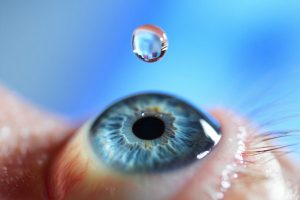
Wash Hands: Always start with clean hands to avoid introducing bacteria.
-
Position Properly: Tilt your head back and gently pull down the lower eyelid to create a pocket.
-
Apply Drops: Squeeze out 1 drop (avoid touching the eye with the tip). Press the inner corner of the eye (near the nose) with a finger for 1 minute; this helps keep the drop from draining away. Then close eyes for a few seconds (don’t blink repeatedly) to spread the drop.
-
Frequency: Use as directed on the bottle. For most OTC lubricants, 1–2 drops as needed is typical. If your doctor says use more frequently (e.g. every hour), switch to preservative-free single-use vials, as Mayo Clinic warns that preserved drops over 4 times/day can irritate.
-
Contacts: If not explicitly marked “lens-safe,” remove contacts before using drops. Wait at least 10–15 minutes before reinserting lenses. If you need to use drops with lenses in, choose one clearly labeled for contact use.
Pro Tip: If using both drops and ointment, apply drops first, then ointment (or gel) before bed. Gel drops may blur vision temporarily.
FAQs
-
Q: Why do my eyes feel gritty and red when I wake up?
A: Overnight tear production slows, so eyes can dry out. Using an ointment or gel before sleep seals in moisture. Ensure pillows aren’t blowing on your face, and consider a room humidifier. -
Q: Can I use any artificial tear with contacts?
A: Not all! Look for drops labeled “contact lens safe” or use preservative-free vials. Products like Biotrue or Blink Contacts are made for lens wear. Otherwise, remove lenses before applying most drops. -
Q: How many times can I safely use drops daily?
A: Up to 4 times/day with preservatives is usually OK. More often, switch to preservative-free single-dose drops. If you rely on drops constantly (e.g. hourly), talk to your eye doctor about prescription options. -
Q: Are “redness relief” drops good for dry eyes?
A: No. Those vasoconstrictors (tetrahydrozoline, naphazoline) only mask redness and can rebound, making irritation worse. Focus on lubricating, preservative-free artificial tears instead. -
Q: How long before I feel relief from an eye drop?
A: Most good lubricating drops provide almost immediate soothing. You should feel some improvement within minutes. For prescription treatments (Restasis/Xiidra), it can take 4–12 weeks for maximal effect. -
Q: Should I consult a doctor about my dry eyes?
A: If OTC drops aren’t helping your daily comfort or if vision is affected, yes. Chronic dry eye can signal underlying conditions (blepharitis, Sjögren’s, etc.). Early treatment (even punctal plugs or medications) can prevent complications and improve quality of life.
We hope this guide to the best eye drops for dry eyes relief helps you choose the right solution. Remember to tailor your choice to the cause of your dry eyes: for example, use antihistamine drops for allergies, preservative-free tears for frequent use, and ointments for overnight relief. Always follow instructions and consult an eye-care professional if symptoms persist. Share this article if you found it useful, and comment below with your own experiences or questions about dry eye relief!
Sources: Authoritative eye-care resources and product reviews were used to compile this guide. Each recommended drop is FDA-approved for dry-eye relief.

I am Mukut Chandro Mohonta, a professional health blogger passionate about empowering readers with practical and research-based health advice. Drawing on my considerable expertise, I write about kids’ health, women’s health, and men’s health, as well as exercise and weight loss techniques.
My site contains a wide range of health themes, from mental health and heart health to eye care, hair care, tooth health, good sleep advice, and leg care. I also highlight key topics like health insurance, health care, and public health to help readers navigate the healthcare system.
Whether you’re setting up a home gym or seeking effective home health solutions, I present tangible ideas that support everyone’s health journey. Through personal experiences and practical assistance, I help readers adopt healthy behaviors more quickly.
My objective is to inspire community wellness and educate folks of all ages to take ownership of their health. I often deploy motivational and inclusive language to engage with readers and advocate preventive care. Each component is backed by science and geared for accessibility, making health and wellness recommendations easy to absorb and apply. I stay current on the newest health studies and trends to ensure timely, accurate information.