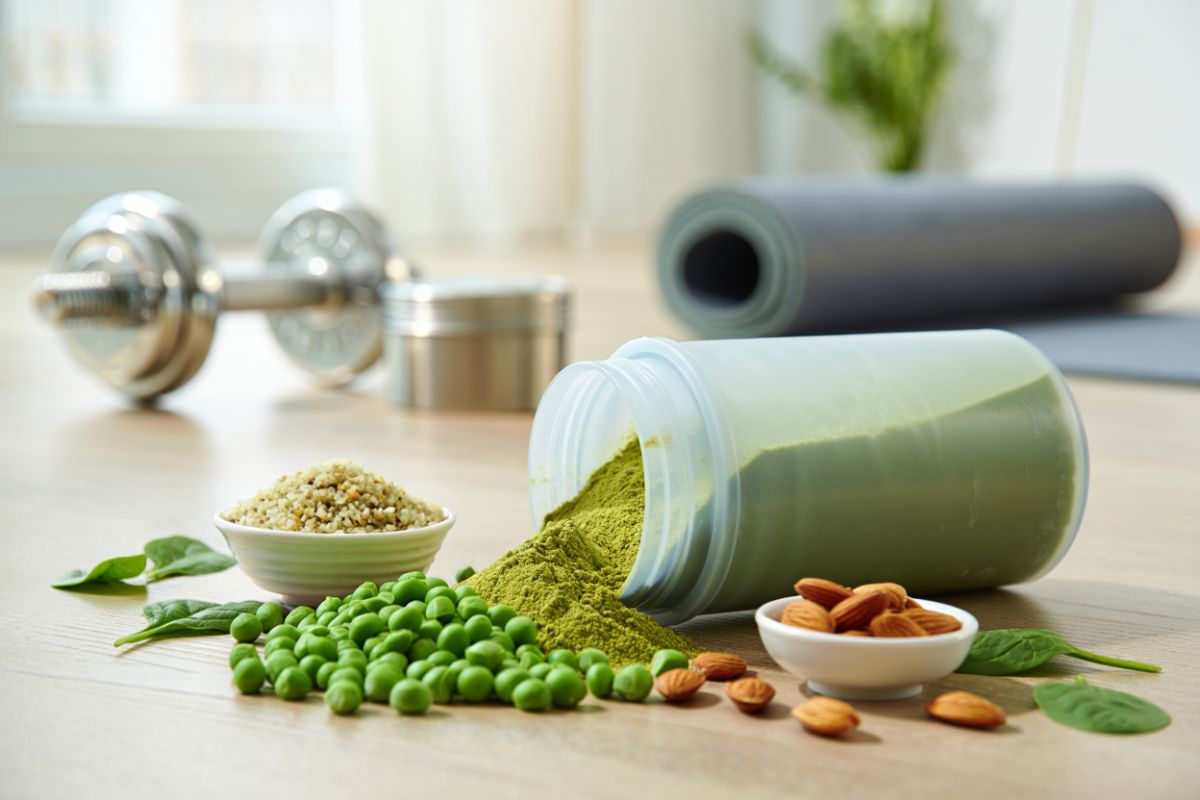
Best Vegan Protein Powder for Fitness Top Picks & Guide
Vegan protein powders have surged in popularity as more people adopt plant-based diets and seek clean, cruelty-free nutrition. These supplements use sources like peas, rice, hemp, or soy to deliver protein without dairy or animal by-products. Choosing the best vegan protein powder means balancing factors like protein content, amino acid profile, taste, and calories.
In this comprehensive guide, we cover why plant protein can rival whey, what to look for in a powder, and our top vegan protein powder recommendations for every fitness goal, from muscle gain to weight loss.
Why Choose Vegan Protein Powder?
Plant-based protein powders offer many benefits. They are dairy-free, lactose-free, and often gluten-free, making them suitable for vegans and people with allergies or digestive issues. Many vegan powders blend different plant sources (e.g. pea + rice) to create a complete amino acid profile, so you can still get all essential amino acids.
Consumers increasingly choose vegan options for health and environmental reasons: a recent market report notes the global vegan protein powder market was over $1.15 billion in 2024 and is growing at ~10% annually. In short, a high-quality plant protein can support your fitness goals while fitting a sustainable, allergen-friendly diet.
Plant vs Whey: Effective for Fitness
Contrary to some myths, plant proteins can build muscle just as effectively as whey, if done right. Clinical reviews show whey and blended plant proteins yield similar muscle gains when matched for protein and branched-chain amino acids (BCAAs) per serving. For example, pea protein is rich in leucine (a key BCAA) and, when combined with rice protein or a methionine supplement, becomes “complete” (all essential amino acids). The bottom line: any protein powder (vegan or not) should provide about 20–30 grams of protein per scoop. This range helps trigger muscle protein synthesis. Plant powders meet this target too: many top vegan powders deliver 20–30+ grams per serving.
For weight loss, protein helps with satiety and preserving lean mass during a calorie deficit. A study advises choosing powders with 100–150 calories or fewer per serving for fat loss. Several vegan powders fit this bill with high protein and minimal carbs/fat. Ultimately, whether your goal is muscle gain or fat loss, the principle is the same: get enough daily protein (about 0.6–0.9 grams per pound of body weight), and use protein powder to help you hit those targets conveniently.
How to Choose the Best Vegan Protein Powder
With many products on the market, focus on these key factors:
-
Protein Source & Content: Look for 20–30g+ of protein per serving. Common sources are pea, brown rice, hemp, or soy. Pea protein is popular (high in BCAAs) and blends well with rice for a full amino profile. Check if the formula lists multiple plant proteins or added amino acids (e.g. L-methionine) to ensure completeness.
-
Calorie and Macronutrient Split: For weight loss, opt for “lean” formulas (~100–150 kcal, very low fat/carb). For muscle gain or mass, some powders have high calories (mass gainers) with extra carbs. Choose based on your goals.
-
Certifications: Athletes should look for third-party testing (Informed-Choice, NSF Certified for Sport) to avoid banned substances. Organic or non-GMO certifications may appeal if you want pure, clean ingredients.
-
Allergens and Additives: If you need soy-free, note that many vegan powders use pea or hemp instead of soy. Avoid products with added sugars or artificial additives. Many high-quality vegan brands are free of synthetic sweeteners and fillers.
-
Taste & Mixability: Some plant proteins are chalky; try to pick ones noted for good flavor or solubility. For example, testers found that Ritual’s vanilla-flavored shake mixes exceptionally smoothly with no clumps. If you plan to blend in smoothies, an unflavored or mild-flavored powder is best.
In short, determine your goals and dietary needs, then pick a product with ample protein, a complete amino profile, low unwanted calories, and a taste/texture you’ll tolerate.
Top Vegan Protein Powders by Goal
Here are some standout vegan protein powders, with expert input and nutrition highlights, for various fitness goals. Each pick is backed by dietitians or trusted reviews. Citations guide you to detailed analyses.
-
Best Overall Vegan Protein Powder: Transparent Labs Organic Vegan Plant-Based Protein Isolate – A 2:1 blend of organic pea and rice protein providing 24g protein per scoop, all nine essential amino acids, and 15% DV iron in chocolate flavor. It’s certified Informed-Choice and Informed-Protein (independent testing), and free of soy and artificial ingredients. The short clean label and high protein make it our top pick for overall fitness.
-
Best for Muscle Gain: Naked Mass Vegan Protein (Mass Gainer) – An ultra-high-calorie vegan formula. Each 315g serving contains 1,230 calories and 50g protein from pea and rice. It’s ideal for hardgainers or those needing a calorie surplus. (Tip: mix with plant milk for a mega-shake.) Healthline notes it’s third-party tested, gluten-free and soy-free. Note its very high sugar content in flavored versions, so it’s best used strategically.
-
Best for Weight Loss: Legion Plant+ Protein – A high-protein, low-calorie formula. Each scoop packs 25g protein with only ~100-140 calories (flavor-dependent). It’s available in six flavors and sweetened naturally, making it versatile. Labdoor-tested and free of heavy metals, Legion Plant+ offers a lean macronutrient split that dieters love. Another lean option is Ritual Essential Daily Shake 18+ (20g protein, ~120 kcal) – it’s an organic pea-based protein with added L-methionine for completeness.
-
Best for Women: Garden of Life Sport Organic Plant-Based Protein – Delivers 30g protein per serving (3-scoop), plus a blend of plant greens and probiotics. Uniquely, its chocolate flavor provides ~20–40% DV iron, which is beneficial since ~30% of women of reproductive age are anemic worldwide. Though it blends best with a shaker, it’s NSF-certified and favored for active women needing both protein and micronutrients.
-
Best for Men: There isn’t a strict “men’s” formula, but men often prioritize high protein and calories for muscle. Transparent Labs Vegan Mass Gainer (not cited above) or Naked Mass are solid for bulking. Men with weight loss goals can use the same lean options (Legion, Ritual) as women. Remember, larger athletes should aim for the higher end of protein intake (~0.8–0.9 g per lb).
-
Best for Smoothies: For shakes, choose powders that mix well and have mild flavor. Ritual Daily Shake 18+ (vanilla) is noted to dissolve “creamy with no aftertaste”. Unflavored protein isolates (like BulkSupplements pea or rice isolate) are ideal to blend into fruit smoothies without altering flavor. Many testers recommend Garden of Life Raw Protein (vanilla) for smoothies, noting its smooth texture when blended (just use a blender, not a spoon).
-
Best Organic Vegan Protein Powder: Ritual Essential Daily Shake 18+ – Already mentioned above, Ritual is USDA Organic, non-GMO, and each ingredient is fully traceable. It uses organic pea protein and adds l-methionine for a complete amino profile. It carries Clean Label Project certification (tested for contaminants). The trade-off is only one flavor (vanilla) and a higher price ($3.27/serving). For an affordable organic option, Ora Organic So Lean combines pea, rice, cranberry, and quinoa protein with greens – it’s unflavored and can be added to smoothies or oatmeal.
-
Best Plant-Based Protein Powder: (Synonym for above picks) All of the products listed are plant-based. When searching, remember “plant-based” and “vegan” are used interchangeably. Simply ensure the formula uses plant proteins (peas, rice, etc.).
-
Best for Athletes: Athletes need clean, tested products. Transparent Labs Organic and Legion Plant+ are both batch-tested and free of contaminants. Vega Sport Premium Protein (not cited here) is another popular choice, as it adds electrolytes and BCAAs for recovery. Always look for NSF or Informed-Choice labels.
-
Best High-Protein Vegan Powder: Many picks above fit this: e.g. Legion Plant+ (25g), Transparent Labs (24g), Naked Pea (27g), Garden of Life Sport (30g), and Naked Mass (50g). Higher protein per scoop usually means you can reach your goals with fewer calories from carbs/fat.
Tips for Usage
-
When to Use: Vegan protein shakes can supplement meals or be a quick post-workout boost. For muscle building, use after weight training. For weight loss or on-the-go, use as a snack or light meal replacement (ensure it’s <150 kcal if cutting).
-
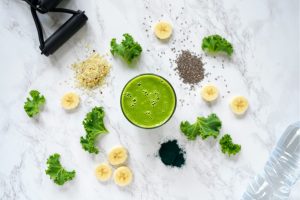
Smoothie Recipes: Blend your powder with almond/soy/oat milk, frozen fruits (banana or berries), and greens (spinach). Avoid high-calorie add-ons (whole milk, yogurt) if fat loss is the goal.
-
Daily Intake: Aim for ~0.6–0.9 g protein per pound of body weight per day. Spread intake across meals (~20-40g per meal). Protein powders make it easier to hit these targets without extra carbs or fats.
Key Takeaways:The best vegan protein powder is the one that fits your fitness goal and diet. Plant-based powders can build muscle, aid weight loss, and fuel athletes, just like whey. Consider factors like protein content (20–30g+), completeness, calories, and taste. Our top picks above have been vetted by experts and users alike. Whether you’re a male athlete seeking gains or a woman trying to slim down, there’s a plant-based protein to match your needs.
Call to Action: Found this guide useful? Share it with fellow plant-based fitness fans! Have a favorite vegan protein powder? Let us know in the comments below. Follow us on social media for more nutrition tips and recipes.
FAQs
Q: What is the best vegan protein powder for muscle gain?
A: Look for a powder with a high protein and calorie count. For example, Naked Mass Vegan Protein provides 50g protein and 1,230 calories per serving, which can support muscle growth when paired with strength training. Also ensure it contains all essential amino acids (mixed pea/rice blends or added methionine). Studies confirm that plant powders with adequate leucine and total protein build muscle as effectively as whey.
Q: Which vegan protein powder is best for weight loss?
A: Choose a “lean” powder: high protein (20–25g) but very low fat and carbs (total 100–150 kcal per scoop). Good examples are Legion Plant+ (25g protein, only 100–140 kcal) and Ritual Daily Shake 18+ (20g, ~120 kcal). These keep you full without excess calories. Also, avoid added sugars or extra ingredients beyond protein.
Q: Can vegan protein powder help women specifically?
A: Yes. Active women can benefit from any high-quality plant protein. Garden of Life Sport is formulated with women in mind: it has 30g protein and significant iron to offset menstrual losses. In general, women should ensure they meet their higher RDA of iron and include plant powders to boost protein without calories. Always aim for 0.6–0.9 g protein per pound of body weight, just as men do.
Q: Are vegan protein powders as effective as whey for muscle gain?
A: Absolutely. Research shows whey and blended plant proteins yield comparable muscle growth if they contain similar protein and BCAA amounts. The key is a complete amino acid profile (mixing pea + rice or adding lysine/methionine) and sufficient leucine. For example, a pea/rice blend or a powdered soy isolate can be equally anabolic when you hit the protein target.
Q: Which plant protein powders are soy-free?
A: Many top vegan powders avoid soy. Instead, look for those using pea, rice, hemp, or mixed legumes. For instance, Transparent Labs Organic uses pea and rice; Legion Plant+ uses pea and rice; and Ritual uses pea. Always check the label; many will state “soy-free” if so. (Note: Bulk soy isolate exists, but it’s the opposite of a “no-soy” pick.)
Q: What’s a good protein intake per day?
A: For general fitness, aim for ~0.6–0.9 grams of protein per pound of bodyweight (1.4–2.0 g/kg). Spread it over meals (~20–40g each). Protein powders can help you hit these numbers easily, especially on heavy training days. For example, a 150lb person might target 90–135g protein, so 2–3 scoops of a 30g vegan powder could supply half of that.
Q: Is organic vegan protein powder worth it?
A: Organic certification means the ingredients are grown without synthetic pesticides or GMOs. If this matters to you, go organic. Ritual is USDA Organic and fully traceable. However, non-organic vegan powders are also healthy if they use quality ingredients. Ultimately, organic vs. conventional is secondary to protein content and mix.
Q: How to make a vegan protein smoothie?
A: Blend your powder with plant milk (almond, oat, soy) and your choice of fruits or veggies. For example, mix a scoop of chocolate vegan protein with almond milk, a banana, and some spinach. Avoid adding too many calorie-dense extras (like nut butter or sweetened yogurt) if weight loss is a goal. Smoothies are an easy, delicious way to consume your protein, and the right powder (like a smooth-mixing vanilla) will blend without clumps.
Q: What are the best plant protein sources in these powders?
A: Common high-quality sources include pea protein isolate, brown rice protein, hemp protein, and pea-hemp blends. Pea and rice are especially popular because together they cover all essential amino acids. Soy protein is another, but some avoid soy; hemp is hypoallergenic but lower in protein by weight. Check that the powder contains at least two sources or added AAs to ensure completeness.
Q: What about taste – aren’t vegan powders chalky?
A: Quality has improved. Many vegan powders are surprisingly smooth. For example, testers praised Ritual’s vanilla as creamy with no “earthy” aftertaste. Flavor can be subjective, so try samples if you can. If taste is a concern, opt for tried-and-true flavors (chocolate or vanilla) or even unflavored powders so you can add your own ingredients.
Q: Are vegan protein powders good for athletes?
A: Yes. Plant protein can fuel athletes just like whey. Look for powders that are third-party tested (e.g. NSF Certified for Sport) to ensure purity. Both Transparent Labs and Legion Plant+ carry testing certifications. Also consider added ingredients: some sports formulas include BCAAs or electrolytes for recovery. Consume them around workouts to aid muscle repair. Just remember, whole foods should still make up most of your diet; powders are supplements to help meet high protein needs.
Whether you’re a competitive athlete or just want to stay fit, the best vegan protein powder is one that fits your routine and goals. It should provide ample high-quality protein, fit your dietary needs (organic, soy-free, etc.), and taste good enough to use regularly. With the picks and guidance above, you can confidently choose a powder that keeps you on track toward your fitness goals.
Sources: Expert reviews and research underpin this guide. For example, Healthline and BarBend experts note that plant-based powders match whey for muscle building if dosed properly, and recommend specific products like Transparent Labs, Legion Plant+, and Ritual based on protein content and purity. The global market and nutritional stats come from recent industry reports. All data cited reflects the latest available research.

I am Mukut Chandro Mohonta, a professional health blogger passionate about empowering readers with practical and research-based health advice. Drawing on my considerable expertise, I write about kids’ health, women’s health, and men’s health, as well as exercise and weight loss techniques.
My site contains a wide range of health themes, from mental health and heart health to eye care, hair care, tooth health, good sleep advice, and leg care. I also highlight key topics like health insurance, health care, and public health to help readers navigate the healthcare system.
Whether you’re setting up a home gym or seeking effective home health solutions, I present tangible ideas that support everyone’s health journey. Through personal experiences and practical assistance, I help readers adopt healthy behaviors more quickly.
My objective is to inspire community wellness and educate folks of all ages to take ownership of their health. I often deploy motivational and inclusive language to engage with readers and advocate preventive care. Each component is backed by science and geared for accessibility, making health and wellness recommendations easy to absorb and apply. I stay current on the newest health studies and trends to ensure timely, accurate information.